A sensible look at chemical quartz coatings: what they protect, how they perform, and realistic expectations.
Unlike natural carnauba waxes that sit loosely on top of paint and fade away within weeks, ceramic coatings (typically liquid Silica Dioxide, SiO2) bond chemically with the clear coat at a microscopic level.
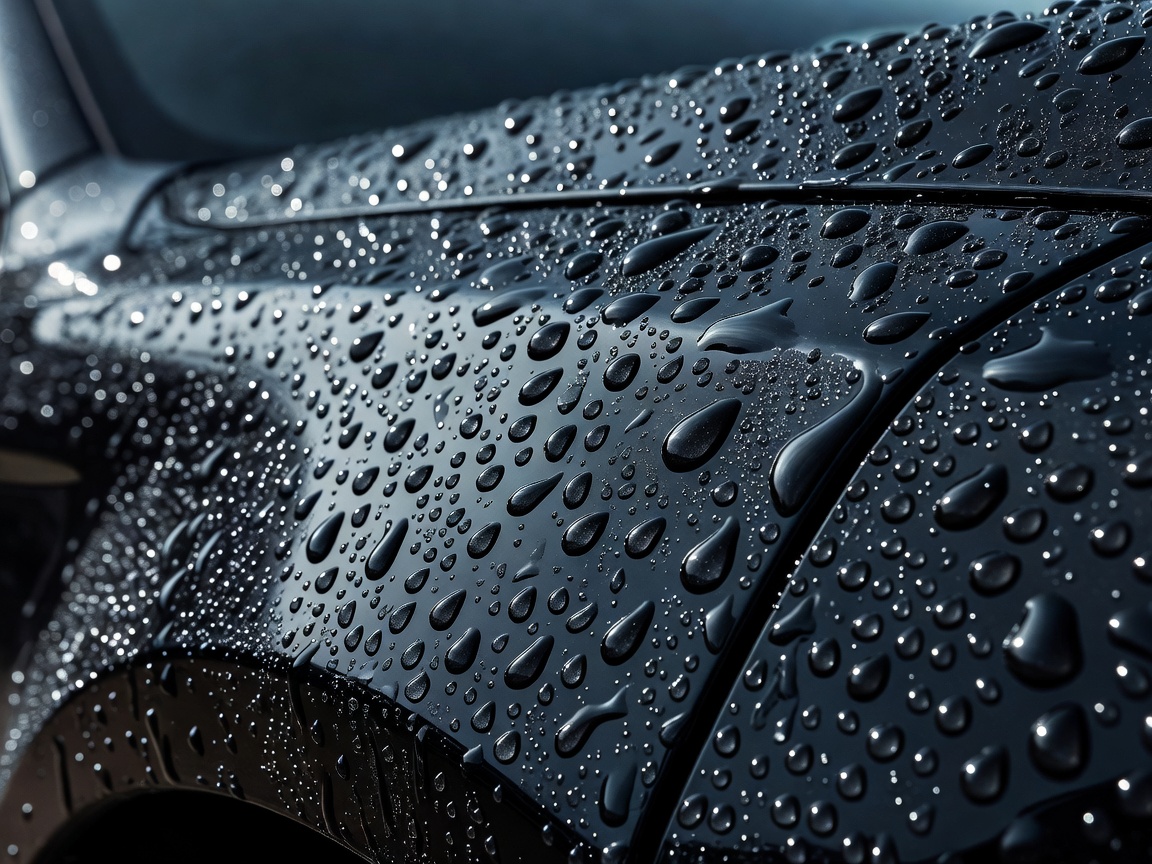
Once cured, this thin chemical shield creates an ultra-smooth, hydrophobic (water-repelling) plane. This causes rainwater, dirty road grime, and light road spray to bead up and run off the panels easily.
No Permanent Protection Claims: Despite dramatic marketing myths online, no ceramic coating lasts forever. Real-world durability is entirely dependent on paint preparation quality, vehicle storage conditions (garaged vs. outdoor street parking), annual mileage, local winter weather, and proper maintenance washing routines.
Understanding which level of clear-coat protection aligns best with your budget and usage.
Adds a rich, warm, oily glow to vintage colors. Highly affordable but breaks down easily under modern touchless winter chemicals. Typically lasts 4 to 8 weeks.
An excellent middle ground. These liquid polymers link together to offer good chemical shield against acidic rainfall and insect deposits. Typically lasts 4 to 6 months.
Semiconductor-grade silica that forms a hard, glass-like layer. Extremely slick, easy to wash, and highly resistant to bird droppings and road salts. Durability depends on paint health.
Before recommending any protective system, we visually inspect your vehicle's physical paint health. If your car is a high-mileage daily driver exposed to gravel-covered UK back roads, we'll design a practical maintenance schedule that matches your reality.
Contact our team via the online enquiry form to schedule a physical consultation and discuss realistic ceramic protection options.
Ask About Ceramic Options