Automotive Paint Detailing

A meticulous approach to measuring clear coats, compounding defects, and refining depth safely.

The Science of Paint Correction

Over time, your car's exterior paint develops micro-imperfections. These consist of fine wash swirls, hard-water ring marks, bird lime etching, and industrial fallouts. These microscopic defects block light from bouncing cleanly off the color base coat, leaving the paint looking faded or cloudy.

Paint correction is the mechanical process of leveling this top clear coat layer to restore a perfectly smooth plane. By removing an incredibly minute layer of clear coat (typically measured in single-digit microns), we safely smooth out these light scratches.

Please caution: Paint correction has finite boundaries. If a scratch has cut deep enough to catch your fingernail, it has breached the clear coat entirely. Attempting to buff it out completely can ruin the paint, requiring a professional respray instead.
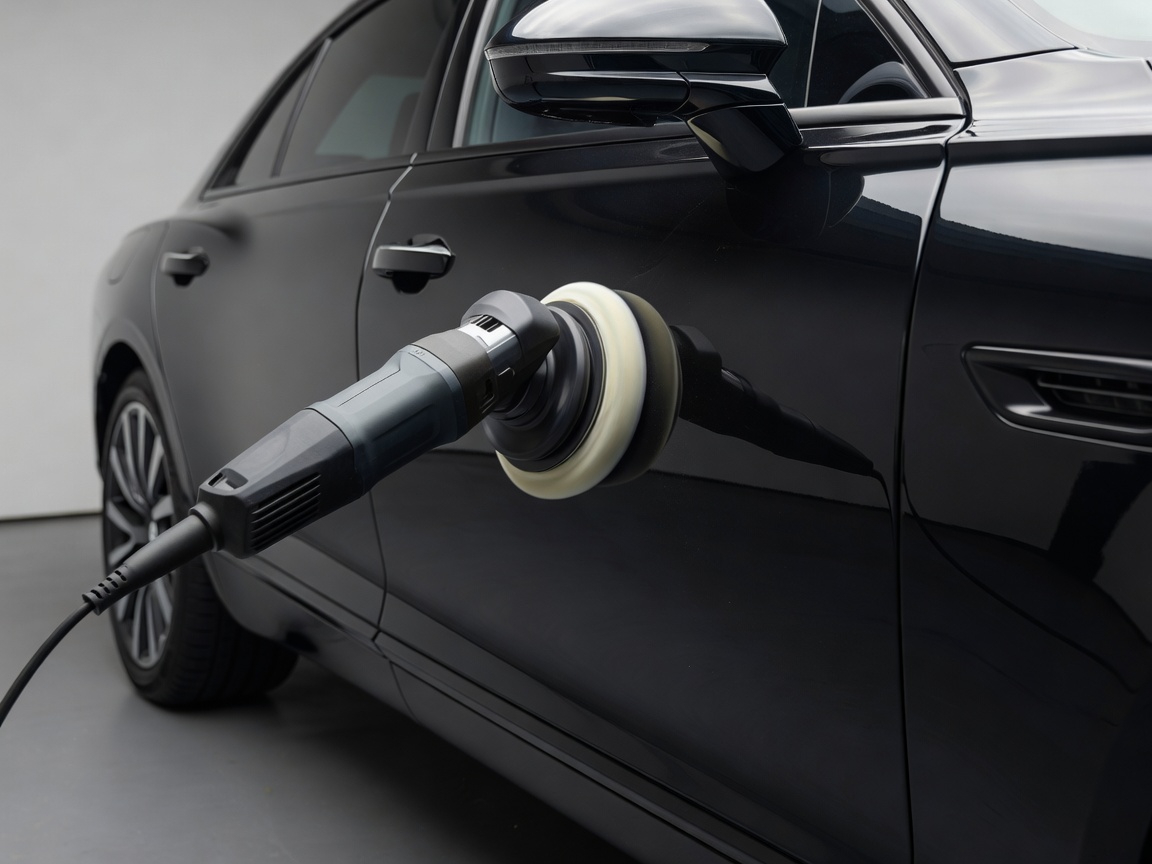
Process of dual-action polishing machine on a black luxury sedan panel under studio lighting

Our Detailing Workflow Stages

How we plan the careful refinement of paint finishes at Mediaptch.

1

Visual Inspection & Depth Metering

We measure paint thicknesses using magnetic ultrasonic depth gauges. This steps tells us exactly how much clear coat is available on metal/aluminium panels before machine polishing begins, ensuring safety.

2

Heavy Chemical Decontamination

Washing alone doesn't clear embedded metal dust from brake pads. We apply active iron-removing chemicals that safely bleed contaminants out of the paint pores, followed by clay-bar gliding.

3

Compounding (Swirl Removal)

Using dual-action rotary polishers with diminiishing abrasives, we carefully machine compounds across the clear coat. This phase targets bulk swirl marks and oxidation safely.

4

Paint Refinement (High Gloss)

A second polishing pass using ultra-fine finishing pads and jewelers' compounds. This step removes haze from compounding, producing high clarity and deep mirror-like reflections.

5

Clean IPA Wipe-Down & Protection

Any oily residue left from polishing is thoroughly stripped using isopropyl alcohol (IPA). This prepares a completely naked clear coat, allowing paint sealants or advisory ceramic coatings to bond properly.

Detailing Facts vs. Fiction

  • Paint correction cannot repair physical stone chips that have exposed grey metal or primer.
  • Thin or original vintage single-stage paint (without clear coat) requires hand-polishing and extreme care.
  • A dual-action machine polisher produces far safer, more uniform heat dissipation than old-style high-speed rotary buffers.
  • A single-stage polish may remove 50-70% of superficial marks, whereas multi-stage processes strive for 85-90% defect reduction safely.

Honest Appraisals Only

We do not believe in “guaranteed showroom finishes” or “perfect paint correction” claims. Car panels are driven in the real world, exposed to loose pebbles and harsh environmental fallout every day.

Our priority is to deliver a balanced result that enhances your vehicle's gloss without thinning the clear coat excessively. This ensures your paint remains thick enough to withstand future washing cycles for years to come.

Arrange a Paint Assessment