Safe Exterior Washing

Why modern car-washing should prioritize pre-wash routines over immediate manual wiping.

The Anatomy of Safe Surface Cleaning

Road film in the UK is highly abrasive. It consists of soot from diesel exhausts, brake dust particulates, and grit from winter salt spreading. Sliding a wash sponge directly across these elements acts like sandpaper, creating millions of fine concentric scratches (swirl marks) in the clear coat.

At Mediaptch, we advocate a multi-step pre-wash phase. By chemically dissolving and lifting bulk dirt before touching the paint, we minimize physical abrasion to the highest degree possible.

While final results are always subject to the age and physical state of your paintwork, utilizing systematic wash methods can help prevent ongoing clear-coat deterioration.
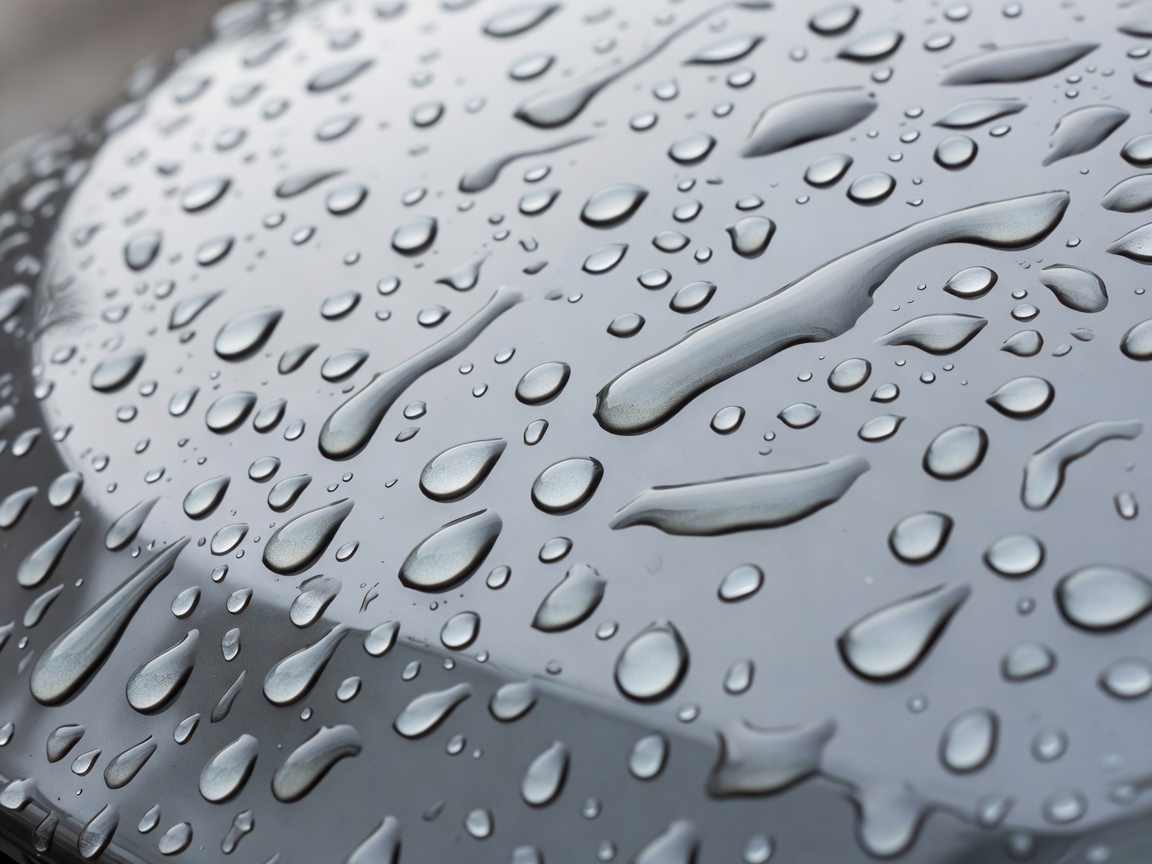
Clear beading of rain water on a freshly cleaned car paint surface showing ceramic characteristics

Our Recommended Wash Sequence

A professional workflow that treats the car's exterior paint with caution.

Stage 1: Pre-Wash & Foam

An intensive pH-neutral snow foam is applied to the dry vehicle. This dwell time allows the foam bubbles to encompass loose sand and transport them downwards. Followed by a high-pressure cold-water rinse.

Stage 2: Two-Bucket Contact Wash

We use two independent wash buckets equipped with bottom grit-guards. One bucket contains premium, lubricant-rich shampoo; the other holds pure rinsing water to clean the microfibre mitt between panels.

Stage 3: Deep Arch & Wheel Care

Alloy wheels are cooled and treated with non-acidic fallout removers to gently detach burnt brake dust. Wheel arches are flushed out with high-volume sprayers to clear hidden mud.

The Danger of Leather Chamois

Traditional natural chamois leathers can trap stray dust particles beneath them and drag them across the panel. We support modern drying guidelines:

  • Heavyweight, high-pile microfibre drying towels designed to safely swallow moisture.
  • Gentle dabbing/patting motion rather than aggressive pulling across the clear coat.
  • Blow-drying door mirrors, fuel filler caps, and trim joints with filtered warm air to prevent lingering hard-water runs.
  • Ensuring door shuts and sills are cleaned and dried to avoid trapping dampness in internal seals.

Practical Maintenance Tip

Washing your vehicle under direct bright sunlight causes water to dry rapidly, leaving calcium and mineral ring deposits (water spots). Whenever possible, clean your car under shade or during early morning/evening hours to maintain panel coolness.

Unsure about the condition of your vehicle's paintwork? Fill out our online contact form to receive practical feedback regarding safe washes and localized maintenance bay recommendations.

Ask Our Wash Experts