Interior Cabin Care

Comprehensive, deep valeting guidelines to refresh fabric, leather, and high-contact trim surfaces safely.

Maintaining a Clean and Hygienic Cabin

We spend hours behind the wheel. Commuting, bad weather, and muddy shoes introduce severe moisture and biological particulate buildup inside our cars. This often results in foggy windows, stale heating vents, and premature wear on leather steering wheels.

Our interior care suggestions prioritize structural hygiene. This involves hot-water extraction extraction on textile foot mats, delicate hand scrubbing on textured dashboard grain to clear embedded grease, and specialized ph-safe leather preservation.

Please note: While our methods can help dramatically reduce staining and stale air, complete odour removal cannot be structurally guaranteed if materials have experienced deep organic saturation or extensive fluid damage.
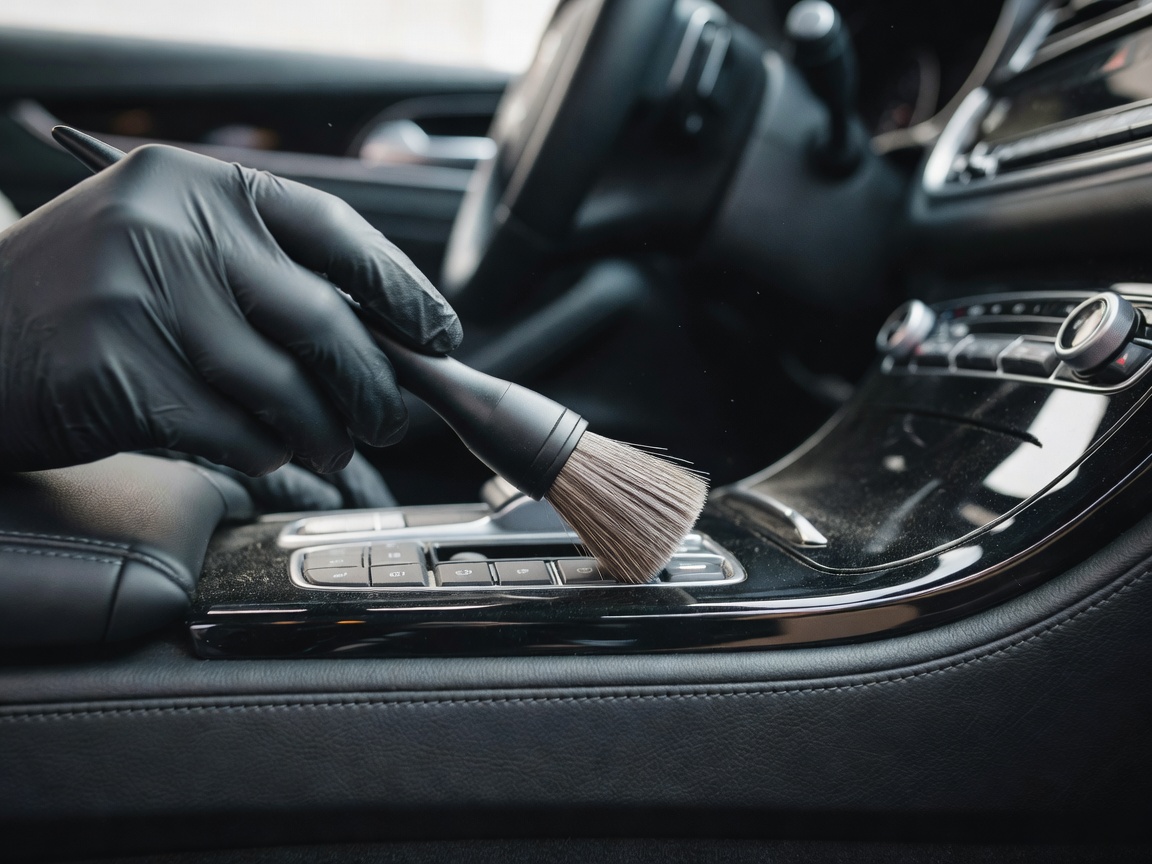
Detailer using fine horsehair brush to clean car interior button controls and console seams

The Core Elements of Interior Refinement

How we recommend addressing each structural component inside a modern cabin.

Vacuuming & Soil Extraction

Industrial-grade suction removes loose sand and gravel from carpets. For heavy staining, we recommend deep warm-water extraction, lifting embedded dirt without oversaturating the underlying foam underlay.

Leather & Vinyl Restoration

Modern automotive leather has a delicate polyurethane protective top coating. We reject harsh solvents, choosing dedicated glycerine soaps and soft horsehair brushes to maintain a natural matte finish (not a sticky, greasy look).

Touchpoint Decontamination

Steering wheels, turn signals, door handles, and safety buckles accumulate heavy skin oils. A gentle antiseptic wipe-down cleanses these high-frequency areas without erasing original button markings.

The Challenge of Pet Hair & Dampness

Many UK vehicle owners carry pets or wet gear, presenting specific challenges:

  • Barb-like dog hairs easily weave into tight upholstery knit, requiring mechanical rubber scrapers to safely slide them free.
  • Unchecked moisture inside boot wells can foster micro-mould, demanding complete ventilation cycles.
  • We recommend using breathable, non-silicone fabric protectants after deep washes to reduce the immediate absorption rate of future spills.

Sensible Advice, Honest Expectations

If your family car or commuter vehicle has accumulated heavy mud and drink spills over the years, visual enhancement is highly achievable. However, severe fabric burn spots or deeply ground oils might require localized repair rather than cleaning alone.

We recommend submitting clear photos of your cabin through our enquiry system so we can offer tailored advice before scheduling a physical visual check at a local workshop bay.

Ask About Cabin Restoration